Ajar Artificial Intelligence Logo

The Big Implication

When to Let Go: Understanding the Entropy of Comfort

The Father of Information

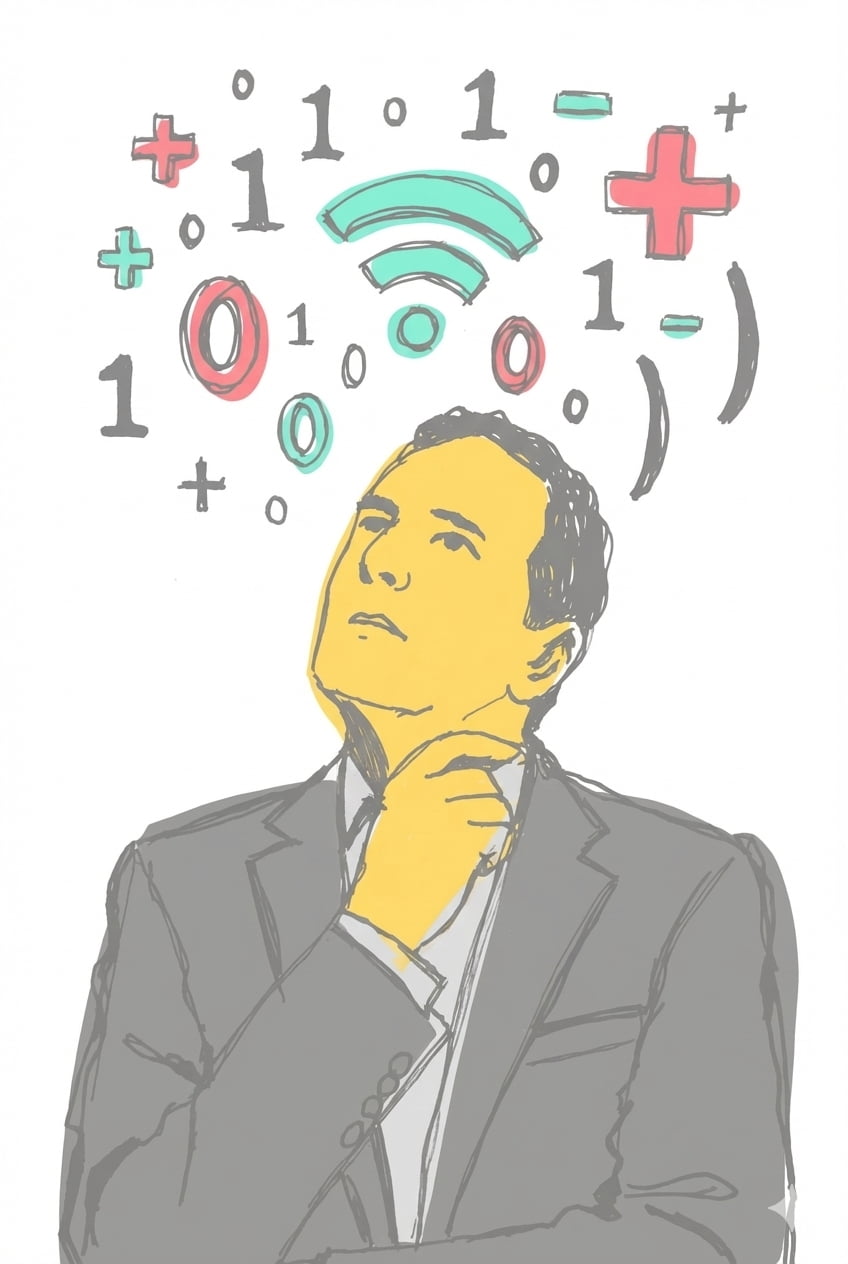
In 1948, Claude Shannon published "A Mathematical Theory of Communication," giving birth to information theory. His key insight: information is that which reduces uncertainty.

Shannon quantified uncertainty with a formula he called entropy—the same term physicists use to describe disorder. High entropy means high uncertainty. Low entropy means predictability.

This simple insight has profound implications for how we think about automation, learning, and human decision-making.
Claude Shannon

The Entropy of Comfort

Consider two scenarios:

  • Low Entropy: Filing a standard tax return. The rules are known, the inputs are predictable, the outcome is deterministic. Automation thrives here.
  • High Entropy: Deciding whether to pivot your startup. The variables are countless, the data is incomplete, and no two situations are alike. This requires human judgment.

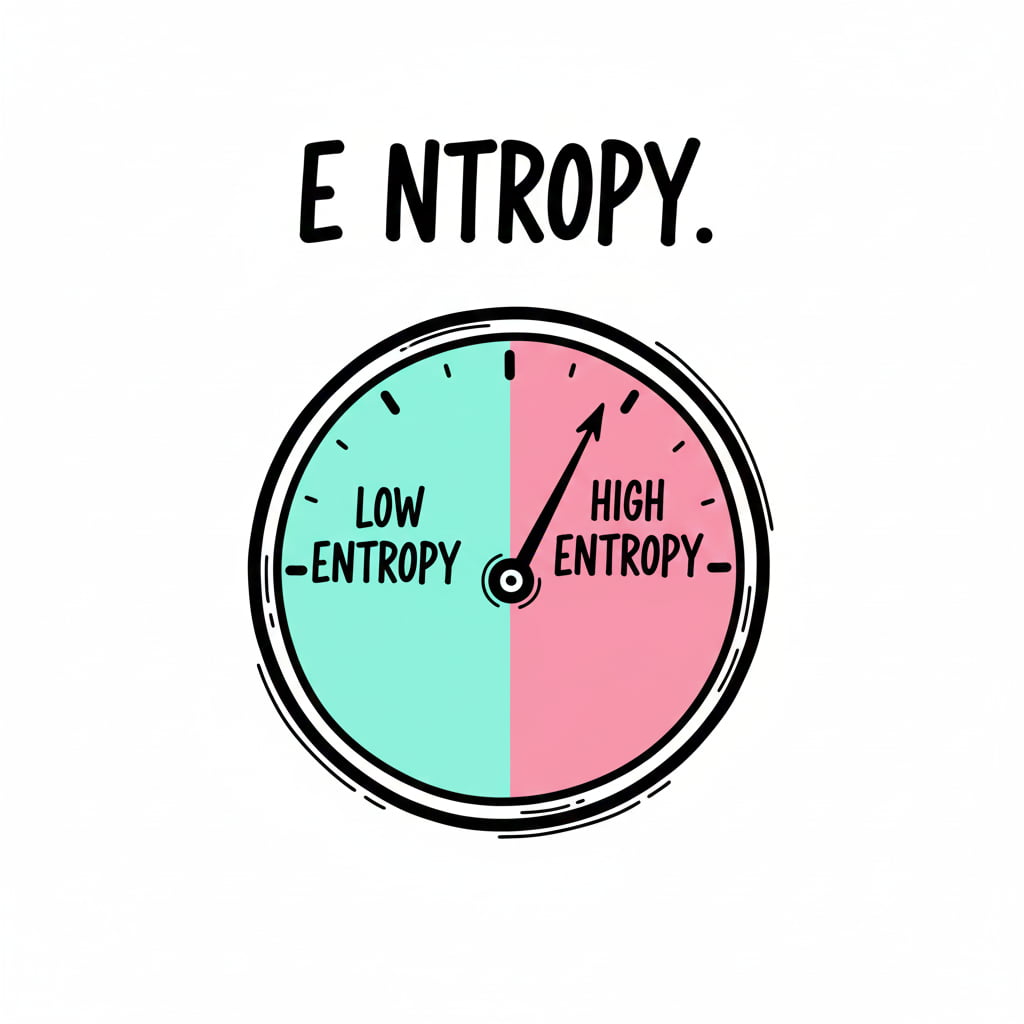
We define Hc (Entropy of Comfort) as a measure of how settled or predictable a domain is. When Hc is low (approaching 0), a domain is stable and ripe for automation. When Hc is high (approaching 1), a domain requires human exploration and judgment. The threshold—around 0.4 for example—marks where it becomes time to let go: to hand over mastered tasks to machines and redirect your attention toward new frontiers.

Entropy Meter
"Automate what is known. Explore what is uncertain. Wisdom is knowing the difference."

The Two Domains

Low Entropy: Hc → 0

The Domain of Execution

State: Order. High Predictability. Low Variance.

Characteristics: Rules are clear. Consensus exists. Outcomes are deterministic or statistically stable.

Examples: Tax calculations. Compliance checks. Standard operating procedures. Database queries.

The Mandate: AUTOMATE

High Entropy: Hc → 1

The Domain of Exploration

State: Uncertainty. Low Predictability. High Variance.

Characteristics: Rules are ambiguous or non-existent. Context is everything. Consensus is fractured.

Examples: A first date. A complex negotiation. A crisis in an unmapped environment. Art. Ethics.

The Mandate: EXPLORE

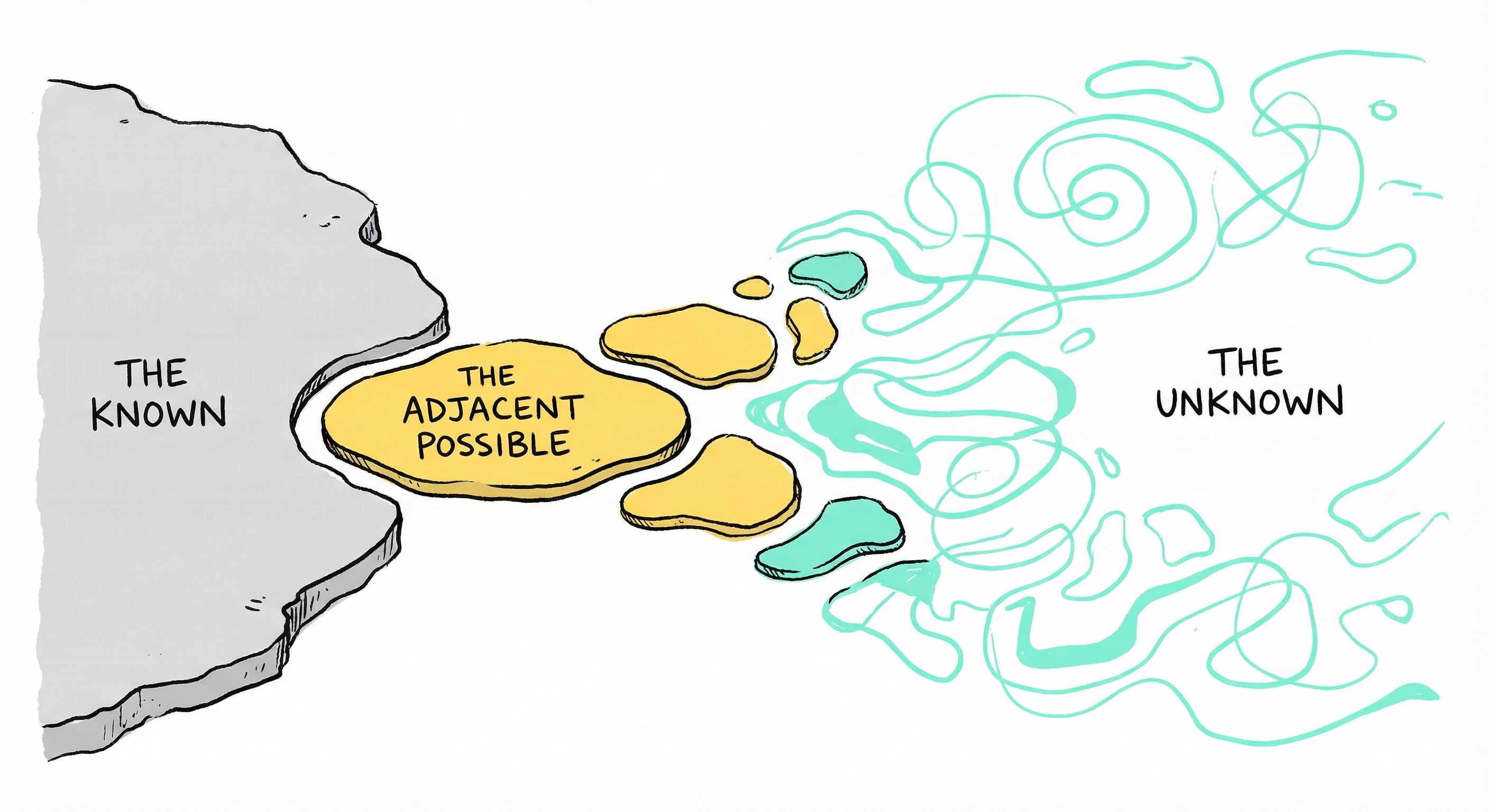
The Adjacent Possible

Stuart Kauffman coined the term "adjacent possible" to describe the space of possibilities that lie one step beyond current reality.

Evolution does not make giant leaps. A fish does not become a bird overnight. It develops slightly better fins, which become limbs, which eventually become wings. Each step opens up a new "adjacent possible."

We apply the same principle to human development in the age of AI. In high-entropy domains, the goal isn't to predict the future—it's to expand the adjacent possible. To create more options, more paths, more potential.

The Adjacent Possible

The Two Traps

The Mastery Trap

If your daily tasks are entirely Low Hc (predictable, routine), you are in a state of stagnation. Comfortable, but not growing. This is fine for a while—rest is important. But if it persists, it leads to brittleness. You become unable to adapt when the environment changes.

The signal? If you can do your job on autopilot, it might be time to hand it to an actual autopilot—and find your next Adjacent Possible.

The Chaos Trap

The opposite is also dangerous. If you are constantly in High Hc domains (uncertainty, crisis, ambiguity), you burn out. The nervous system cannot sustain permanent vigilance. This is why we need some Low Hc domains—routines, rituals, settled knowledge—to provide rest and stability.

The goal is not to maximise High Hc. It is to find the right balance for growth.

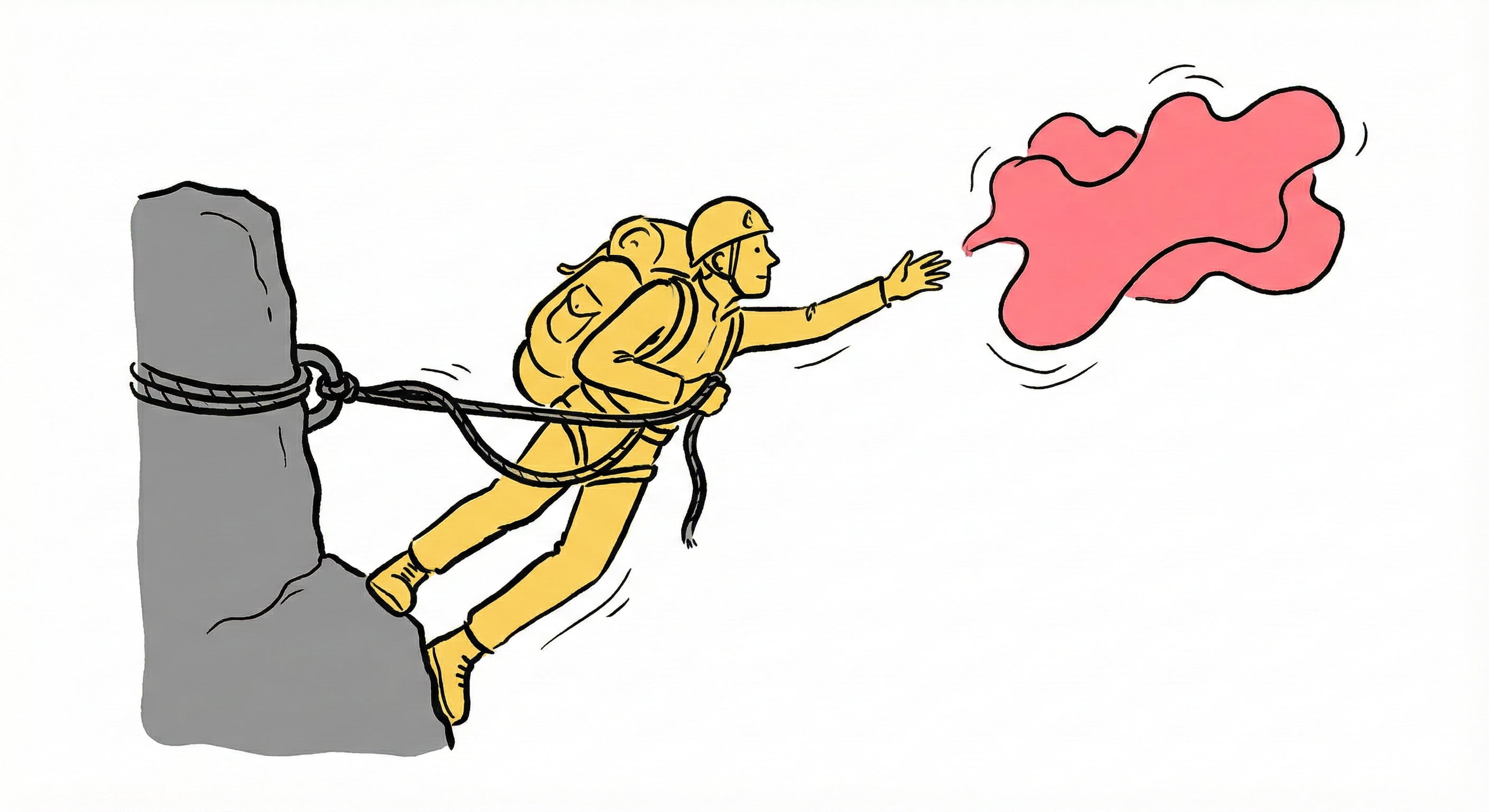
Anchored Exploration

Pure chaos is not useful. The key is anchored exploration—having a stable base from which to venture into uncertainty.

To navigate effectively, look for High Hc domains that are structurally connected to your Low Hc expertise.

Example: Your expertise is Verified Logistics (Low Hc). Your adjacent High Entropy domain might be Logistics for a Disaster Zone. Your expertise is not wasted; it becomes the foundation for growth.

This is why we emphasize:

  • Automate the routine — Free cognitive resources for what matters
  • Build reliable systems — Create a foundation you can trust
  • Then explore — With stability as your anchor, uncertainty becomes opportunity
Anchored Exploration

Mapping Your Domains

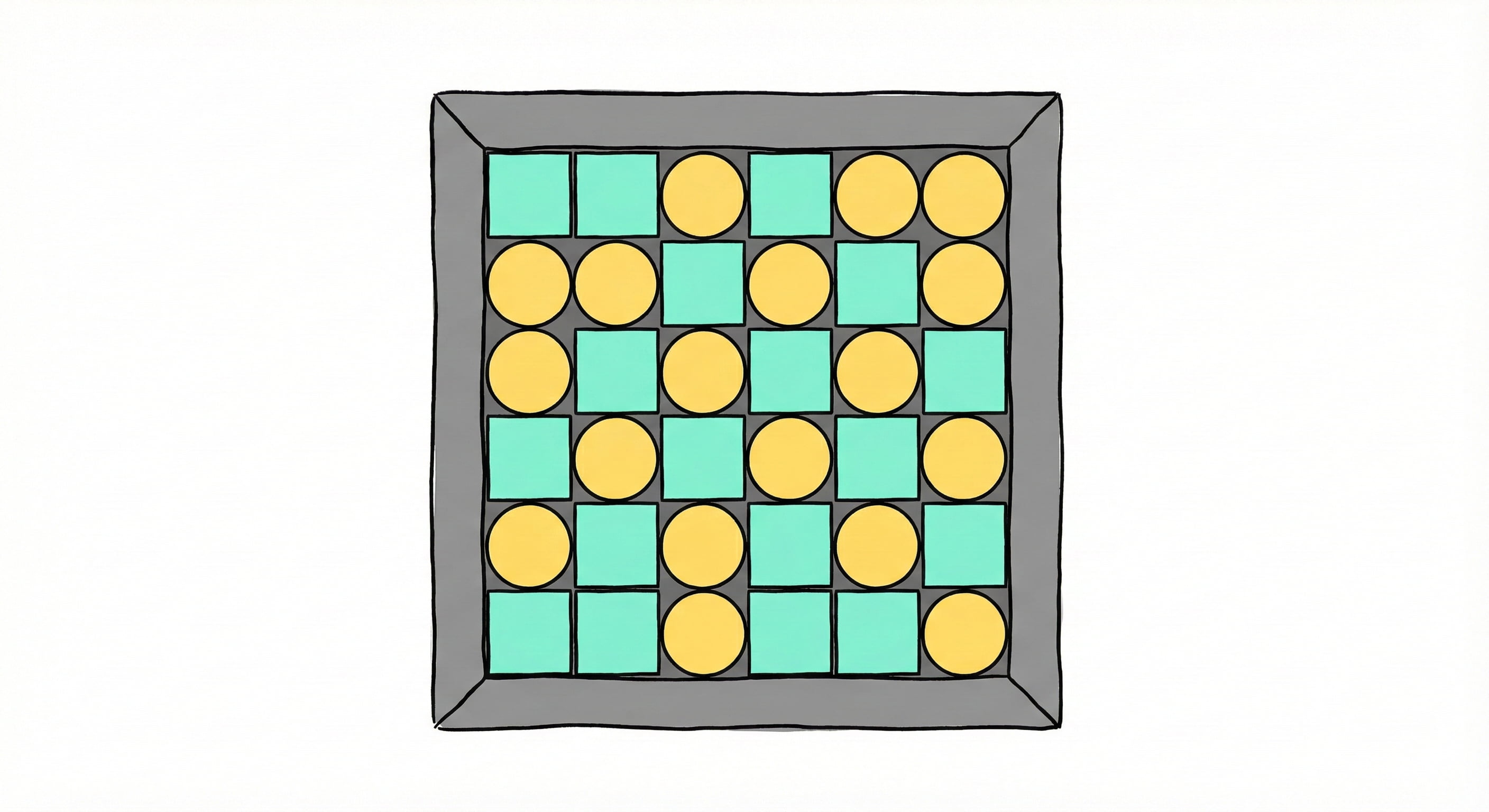
Every organization has a mix of low-entropy and high-entropy domains. The strategic question is: where do you spend your cognitive resources?

🤖 Automate (Low Hc)

Data entry, scheduling, compliance checks, report generation, standard queries

🧭 Explore (High Hc)

Strategy, relationships, creative work, novel problems, cultural decisions

Defined Domain

The Partnership Model

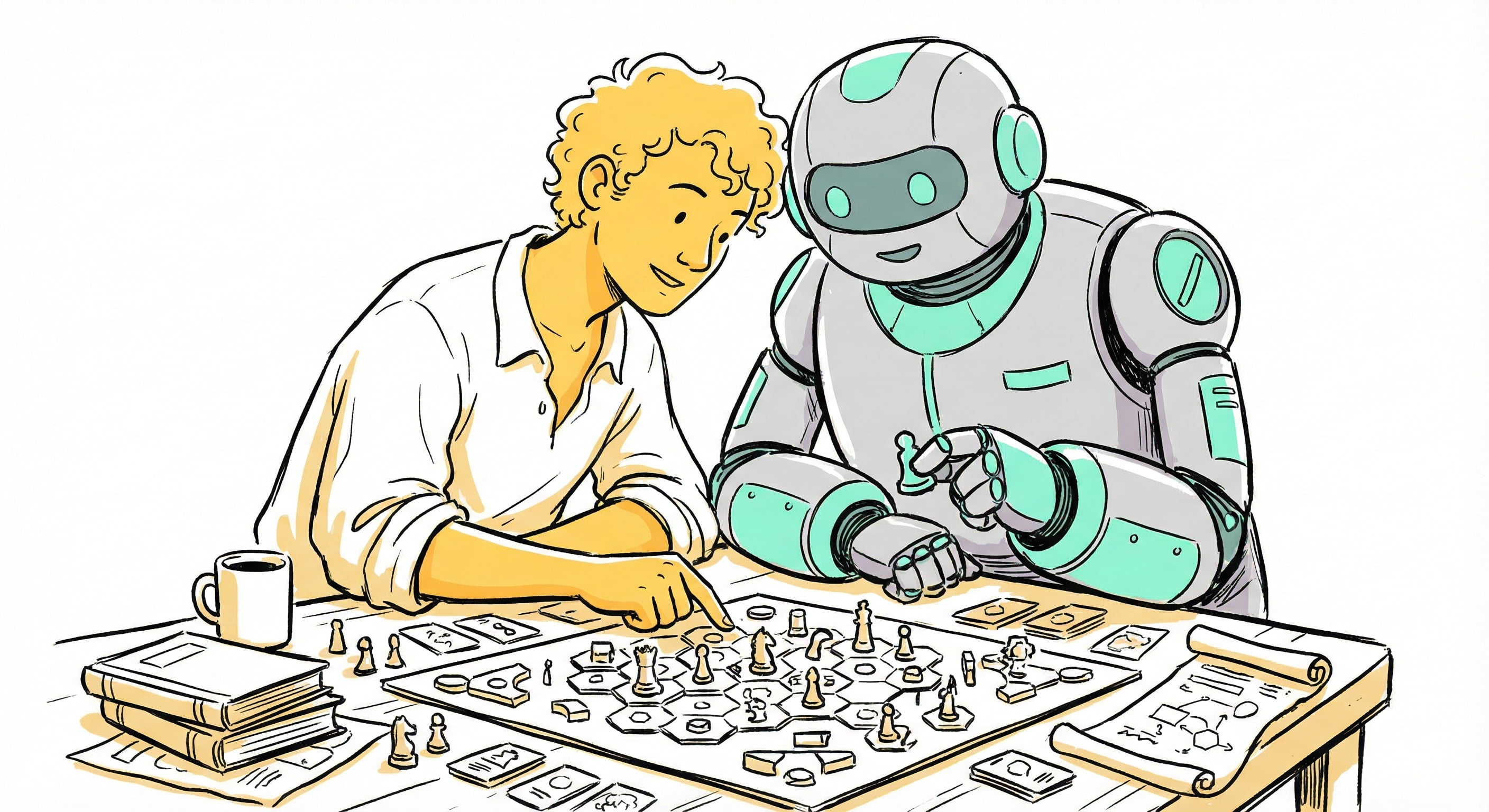
This framework suggests a specific model for human-AI collaboration:

AI handles the information retrieval and pattern matching in low-entropy domains. Humans handle the judgment and exploration in high-entropy domains.

Neither replaces the other. They complement each other precisely because they operate in different entropy regimes.

The future belongs to those who understand this partnership—who can leverage machine precision while cultivating human wisdom.

Human-AI Partnership

The Big Implication

If information reduces uncertainty, and wisdom is knowing what to do with uncertainty, then wisdom is precisely what AI cannot provide.

This is not a limitation to bemoan—it's a clarity to embrace. It tells us exactly what to delegate and what to develop.

Delegate: Pattern matching, retrieval, calculation, consistency checking.

Develop: Judgment under uncertainty, ethical reasoning, creative exploration, embodied intelligence.

The practices in our Somatic Hub address the high-entropy domain of the body. The tools in our AI Implementation Guide address the low-entropy domain of organizational knowledge.

Together, they form a complete approach to intelligent action in an uncertain world.

Finding the Threshold

Every decision you make either increases or decreases your entropy of comfort. The question is not "can this be automated?" but rather "where does automation serve me, and where does it constrain me?"

Claude Shannon gave us the mathematics. The application is up to us.

We are not alone in this thinking. If this framework resonates with you, explore entropist.info to read more about living as an Entropist—embracing the balance between order and exploration.
Discuss Your Domains