Ajar Artificial Intelligence Logo

The Parable of the Equatorial Drum

Correlation, Causality, and the Cost of Error

Introduction

About This Page: This parable serves as the philosophical foundation for much of our thinking at Ajar Artificial Intelligence. It asks a simple question: how do we distinguish between rituals that comfort us and mechanisms that actually drive the world? Before we can talk about artificial intelligence, automation, or the future of work, we must first understand why we cling to certain practices—and what it takes to let go.

This page can be read on its own as a reflection on epistemology and the philosophy of science. For those interested in the practical implications—particularly regarding AI and human development—we recommend continuing to The Big Implication after reading.

The Anecdote

Deep in the rainforest, precisely where the Earth's equator cuts through the trees, lives a tribe that has never known a morning without the sun. In this part of the world, the sun is remarkably punctual: it rises at 6:00 a.m. and sets at 6:00 p.m. with mechanical precision.

Every morning at 5:45 a.m., the tribe gathers. Led by their shaman, they begin a rhythmic, thunderous drumming. They believe that the sun is a heavy, sleeping giant that must be startled into wakefulness. Just as the rhythm reaches its peak at 6:00 a.m., the first rays of light crest the horizon. The tribe cheers; their work is done, and the world is saved for another day.
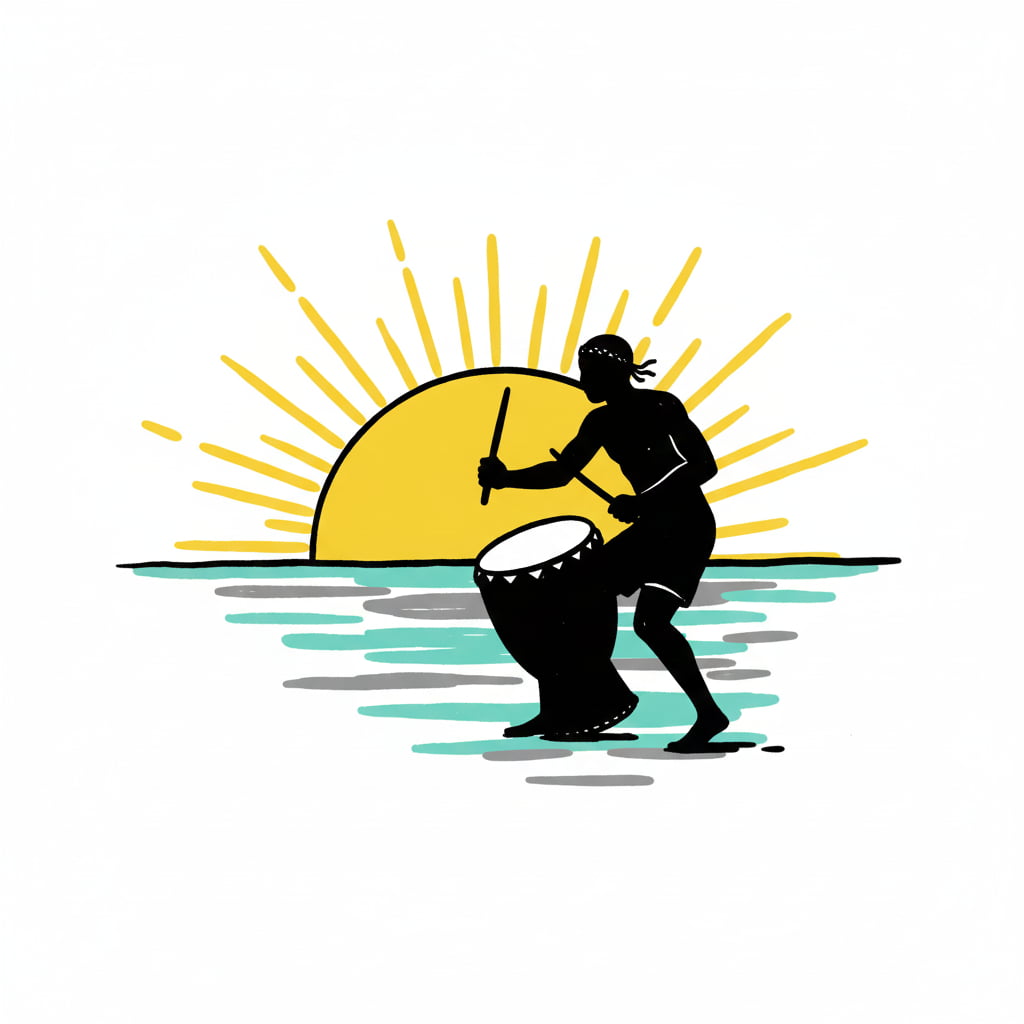
The Tribe's Daily Ritual

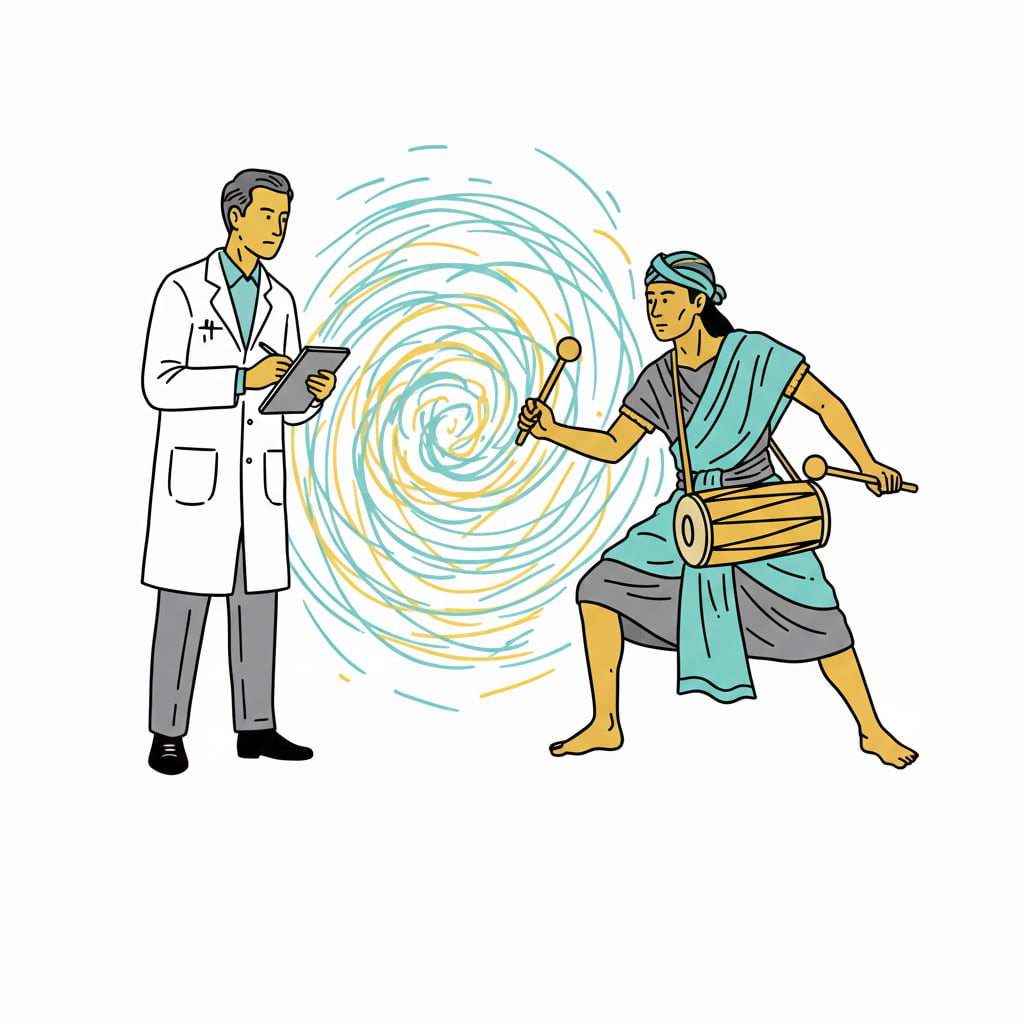
One day, a visiting scientist observes this ritual. He explains to the shaman: "You don't need to do this. The sun is a star, and the Earth is a sphere that rotates. Even if you remained silent, the sun would still rise at 6:00 a.m. exactly as it does now."

The shaman looks at the scientist with a mixture of pity and fear. He replies:

"That is a very interesting theory. But tell me: are you so certain of your 'rotation' that you are willing to risk a morning of eternal darkness just to see if I am wrong? I cannot stop the drumming, for the cost of being wrong is the end of the world."
The Scientist and The Shaman

Why this works for Philosophy of Science

This story helps explain complex epistemological concepts through a simple narrative.

The Problem of Induction

Just because the sun has risen every time the drums were beaten doesn't prove the drums caused the sunrise. However, from the tribe's perspective, they have a "100% success rate," making their "science" feel bulletproof.

Falsifiability (Popper)

The tribe's belief system is unfalsifiable. Because the stakes of testing the theory (stopping the drums) are perceived as catastrophic, the theory can never be proven wrong. A "true" scientific theory must be testable.

Correlation vs. Causality

This is the perfect visual for how two variables can be perfectly correlated (Drumming + Sunrise) without any causal link.

The Burden of Proof

It shifts the conversation to who carries the burden—the scientist who claims the ritual is unnecessary, or the tribe who claims it is vital.

Reflection: The Economic Drum

We often smile at the tribe, but we should look closer at our own rituals. Consider the "Economic Drum" beaten by the older, wealthier generations who have overseen the current financial system.

They point to the sunrise—the growth of GDP, the rise of stock markets, the accumulation of wealth over the last 50 years—and say, "See? Our drumming works. Our system of debt, infinite growth, and resource extraction causes the sun to rise."

When a new generation suggests that the sun might be rising due to fundamental laws (demographics, cheap energy, technological deflation) rather than their specific policies, they react exactly like the shaman.

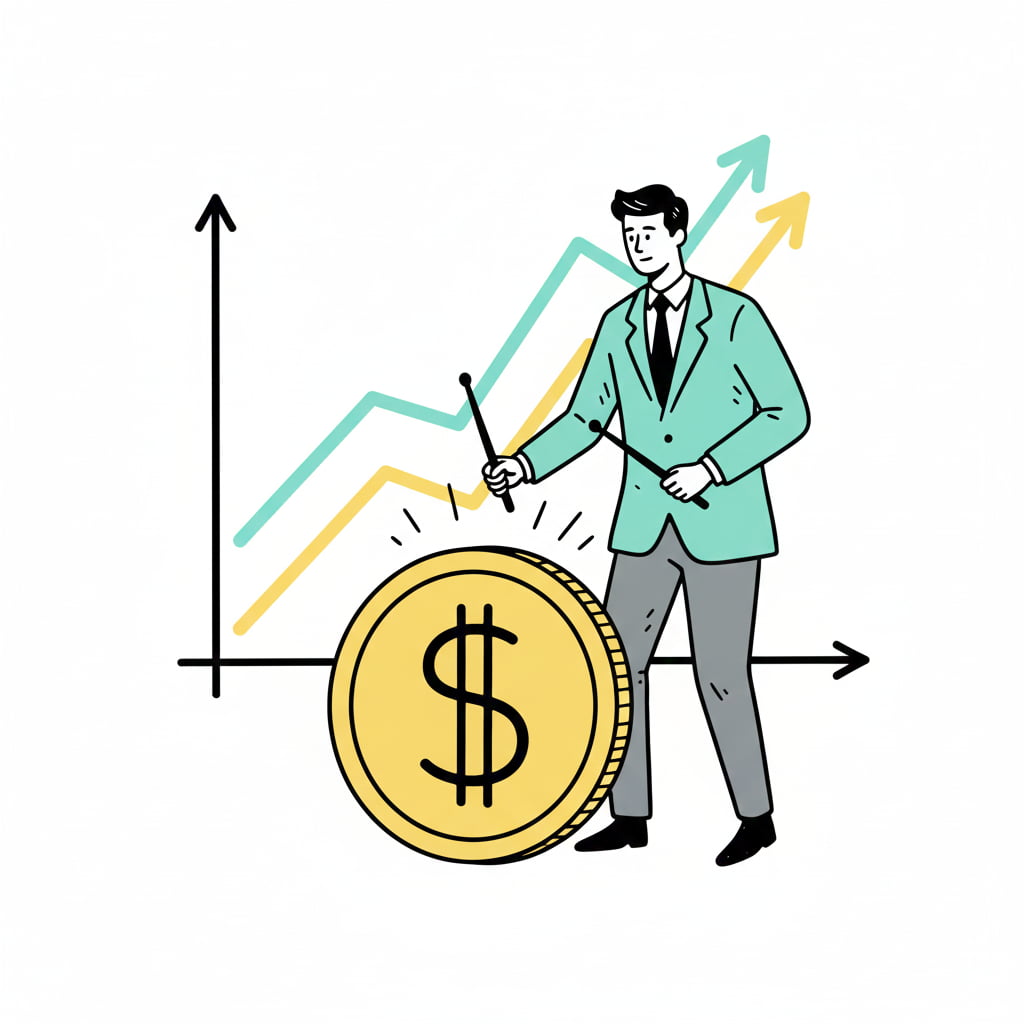
The Beat of Economic Dogma
The Question: Are we maintaining obsolete economic rituals simply because we are too afraid to stop drumming? The cost of being wrong is painted as "economic collapse," so we continue to beat the drum of a system that may no longer be correlated with reality.

What If We Stopped?

Imagine the tribe's surprise if, one morning, they simply... didn't drum. And the sun rose anyway.

The shaman would face a crisis. But the tribe would gain something priceless: freedom. Freedom from a ritual that consumed their mornings. Freedom to explore what else might be possible.

This is the promise of understanding causality correctly. When we know what actually drives outcomes, we can stop wasting energy on superstition and redirect it toward real leverage points.

The Sun Rises Anyway

Conclusion

Innovation requires the courage to stop drumming. It requires the willingness to test the hypothesis, even when the shaman says the world will end.

In AI, in economics, and in life, we must distinguish between the rituals that comfort us and the mechanics that actually drive the world.

The sun will rise. The question is: what will you do with your morning when you no longer need to drum?

Continue exploring: If you're ready to examine what happens when we finally stop drumming—and what we should do with our reclaimed attention—read The Big Implication.