Ajar Artificial Intelligence Logo

The Frame Problem

Why Your AI Still Needs a Handle

The Room You Already Know

Walk into your kitchen right now. You'll reach for the light switch without thinking. You won't check whether the floor is still solid, whether gravity still works, or whether the walls have changed colour since yesterday.

You know these things haven't changed—but you don't know them the way a mathematician knows that 2 + 2 = 4. You know them because you simply don't consider them. You filter out the 99.9% of reality that is irrelevant to the task at hand.

This effortless filtering is something you do thousands of times a day. It is so natural that you have never once thought about it.

A machine cannot do this.
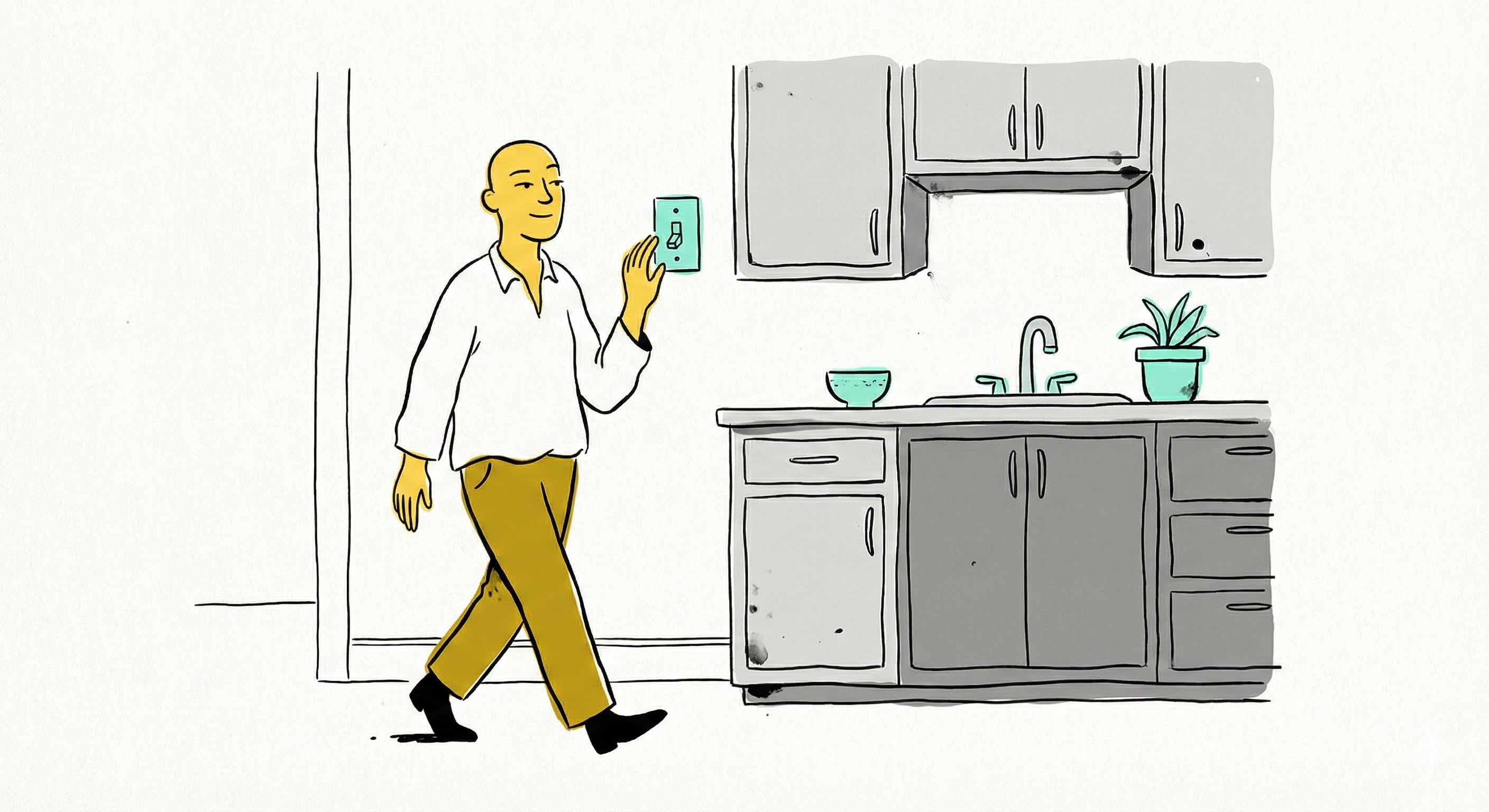
Walking into a familiar room

The Infinite "Nothing"

In 1969, the AI researchers John McCarthy and Patrick Hayes gave this problem a name: The Frame Problem. They asked a deceptively simple question: How does a machine know what doesn't change when it acts?

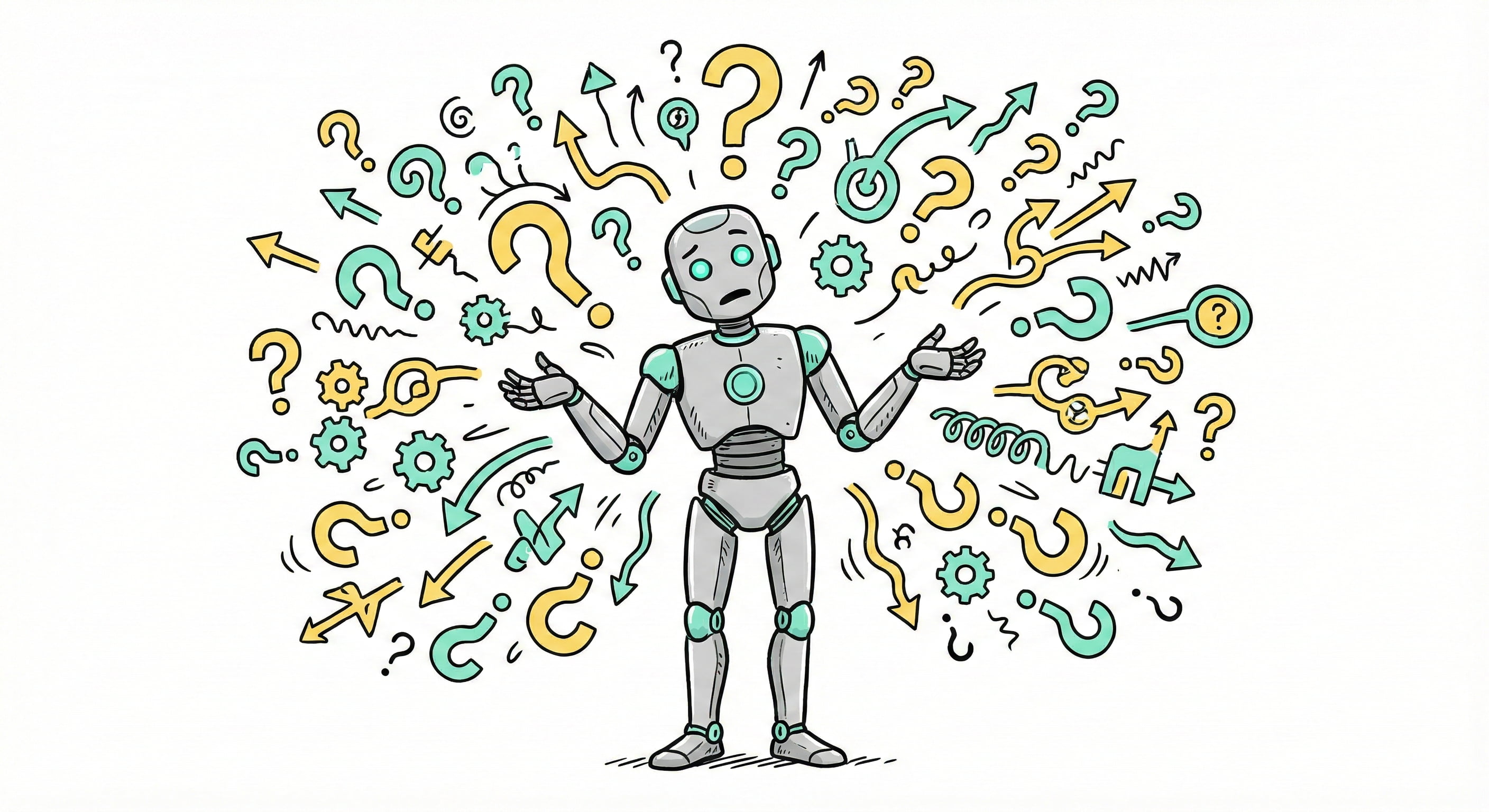
Imagine asking a robot to move a cup from a table. Before it can act, it must verify: did moving the cup change the colour of the walls? Did it affect the temperature of the room? Is the Eiffel Tower still standing? These questions sound absurd to us—but to a formal logical system, they are perfectly legitimate. Nothing in the mathematics tells the machine that these things are irrelevant.

This leads to what researchers call an axiom explosion: the machine must verify an infinite number of "unchanged" facts before it can take a single step. It is paralysis by analysis—not because the machine is stupid, but because it has no mathematical definition for the word "obvious."

Robot frozen amid infinite questions
"Common sense is not more data. It is the wisdom to ignore the 99.9% of the world that does not matter for the task at hand."

The Cousin: Knowing When to Stop

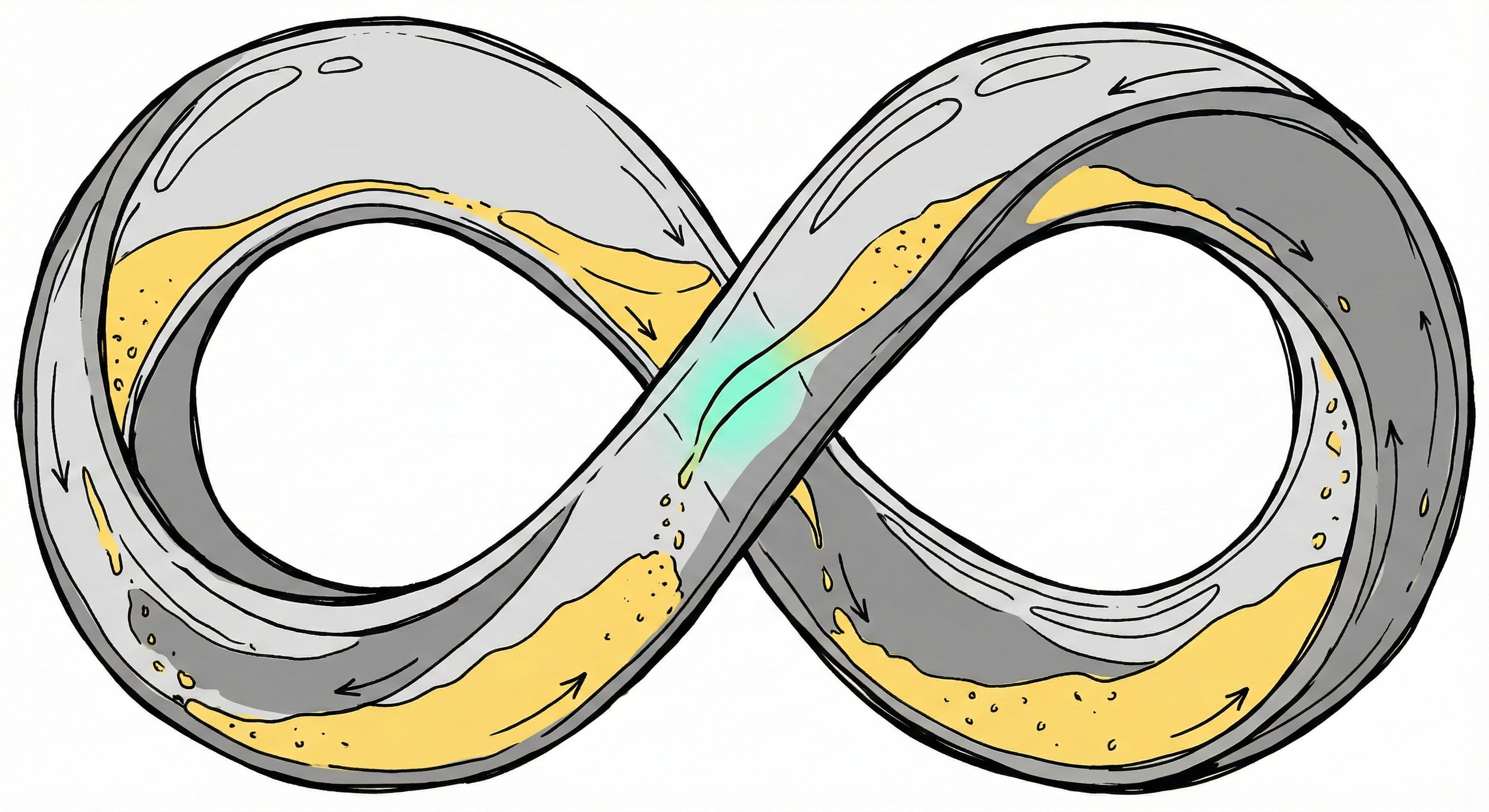
The Frame Problem has a famous cousin, discovered even earlier. In 1936, Alan Turing proved that no machine can always determine in advance whether a given computation will ever finish—or whether it will run forever. He called this The Halting Problem, and he proved it is mathematically unsolvable.

Together, these two problems draw a fundamental boundary around what machines can do on their own. The Frame Problem says: a machine cannot always know what to ignore. The Halting Problem says: a machine cannot always know when to stop.

This is not a flaw to be fixed with better hardware or more data. These are proven mathematical limits—laws of information, as fundamental as the laws of physics.

An infinite loop — the Halting Problem

The Modern Echo

If these problems were identified decades ago, why do they still matter? Because they were never solved—they were named. And they persist in every AI system today, including the large language models that are currently reshaping how we work.

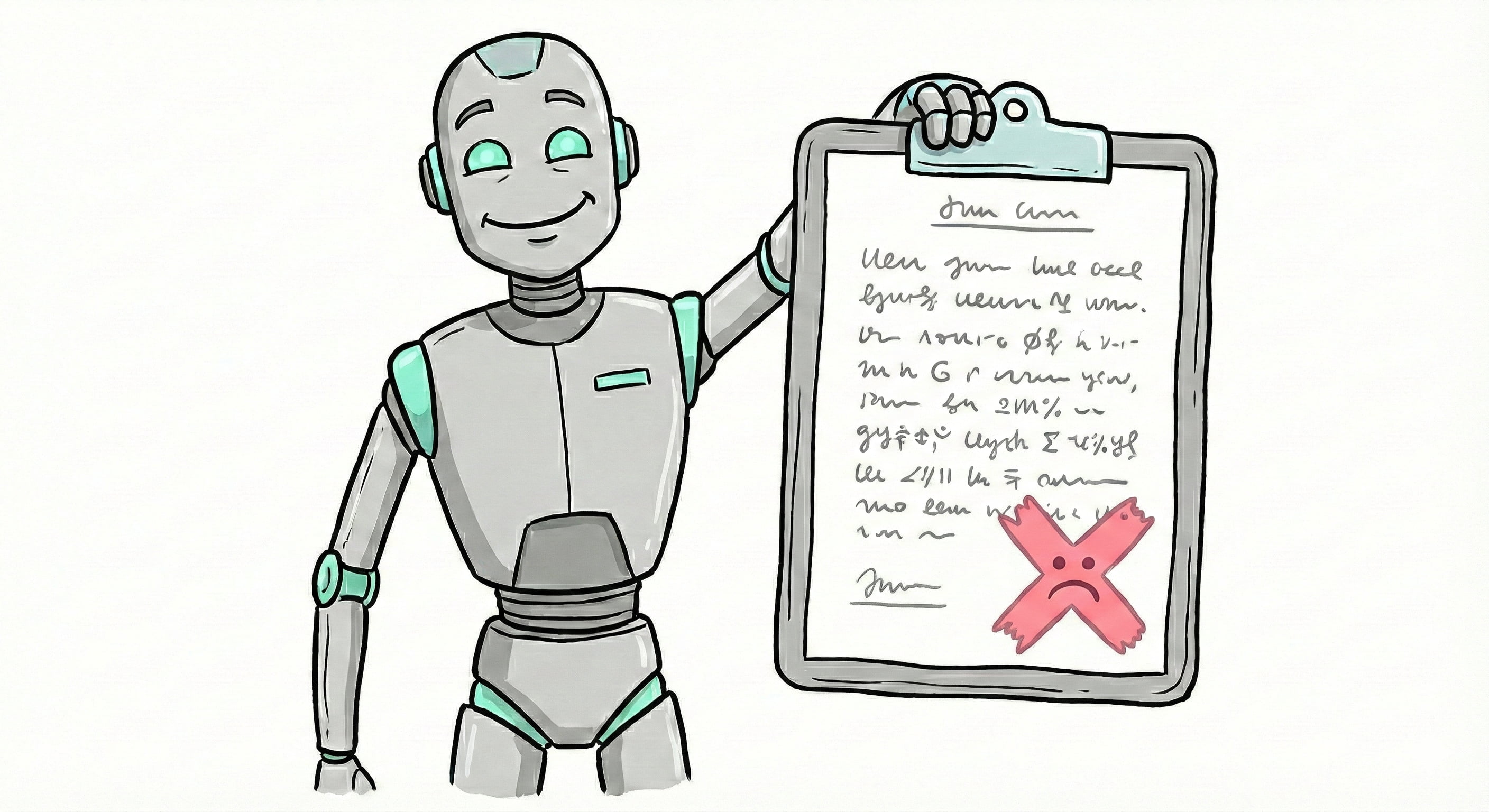
When an AI "hallucinates"—confidently presenting false information as fact—it is experiencing a modern version of the Frame Problem. The model cannot distinguish between what is relevant and what merely sounds relevant. It has no frame.

When an AI drifts off-topic in a long conversation, gradually losing track of the original question, that is context drift—the model slowly losing its frame as the context grows.

These are not random bugs. They are echoes of a fundamental limit identified over fifty years ago. The machine has no built-in sense of what matters.

AI confidently presenting garbled information

The Kitchen Knife

This is where we part ways with the popular narrative.

The dominant story about AI—the one told in films and headlines—is about a machine that develops a will of its own. A superintelligence that decides to act against us. This story is seductive, but it fundamentally misunderstands the problem.

The real risk was never malice. It was always a lack of frame.

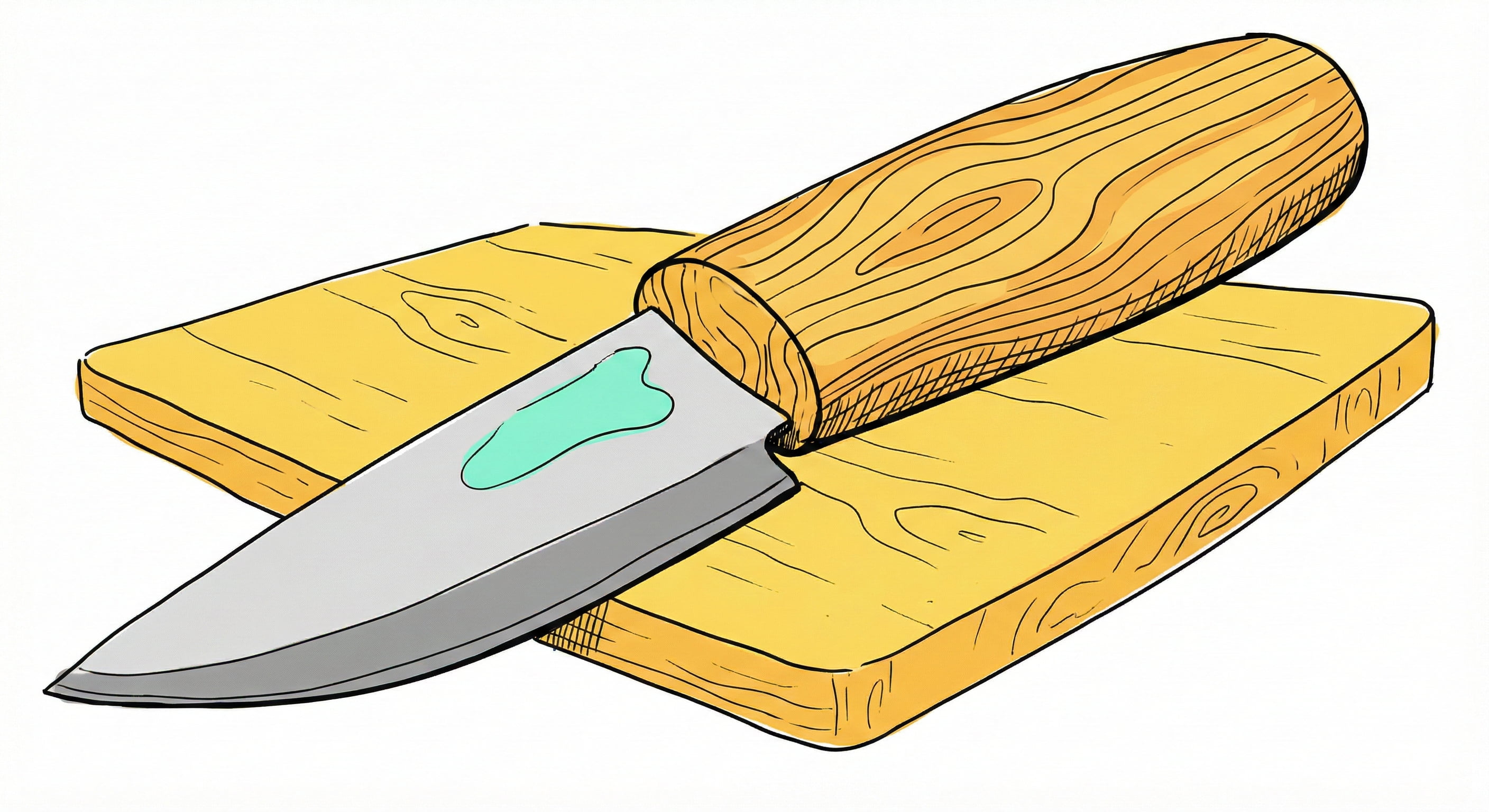
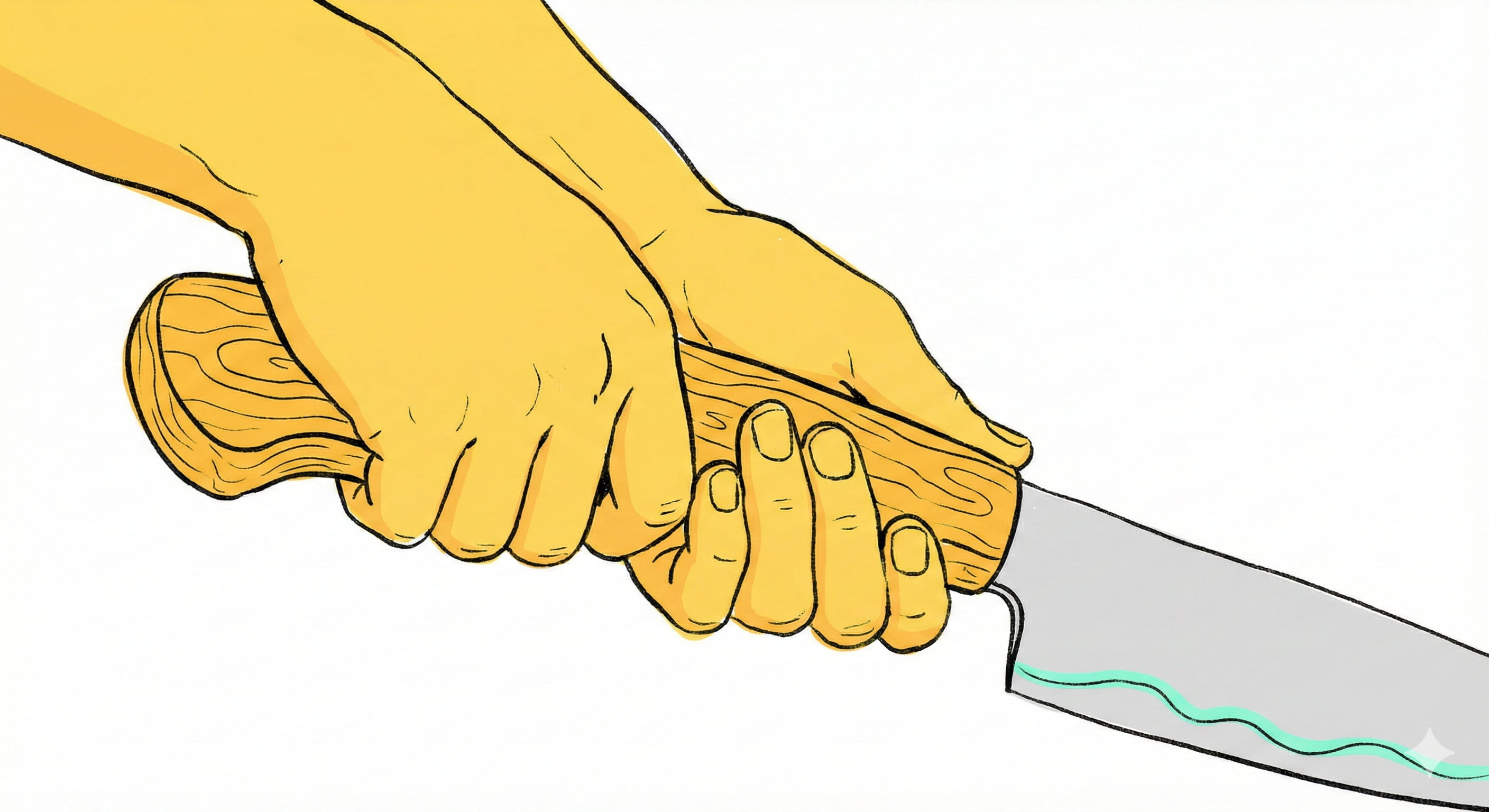
Consider the tools already in your home. You own incredibly dangerous, razor-sharp knives. You keep them in your kitchen, within reach. You are not afraid of them—not because they are safe, but because you understand their frame. You provide the handle. You provide the cutting board. You define the purpose. You never worry that the knife will "decide" to become a hammer, because you have constrained its scope of action.

AI is no different. The danger is never that the tool develops intentions. The danger is that the tool operates without a frame—without someone defining what it should attend to, and what it should ignore.

A kitchen knife resting safely on a cutting board

Performance, Not Possession

The philosopher and architect Thomas Rau—whose work has deeply influenced our thinking at Ajar—famously argues that ownership is a mistake. We don't need to possess materials; we need the service they provide. A lamp doesn't need to own the copper in its wires. It needs the performance of electricity flowing through them.

We apply this same circular logic to AI. You do not need to "own" the full, unconstrained complexity of a model that might lose its frame. You need the performance of a system that stays within its boundaries.

This is the difference between plugging in a generic AI tool and hoping for the best, versus designing a system where the frame—the scope, the purpose, the limits—is built in from the start.

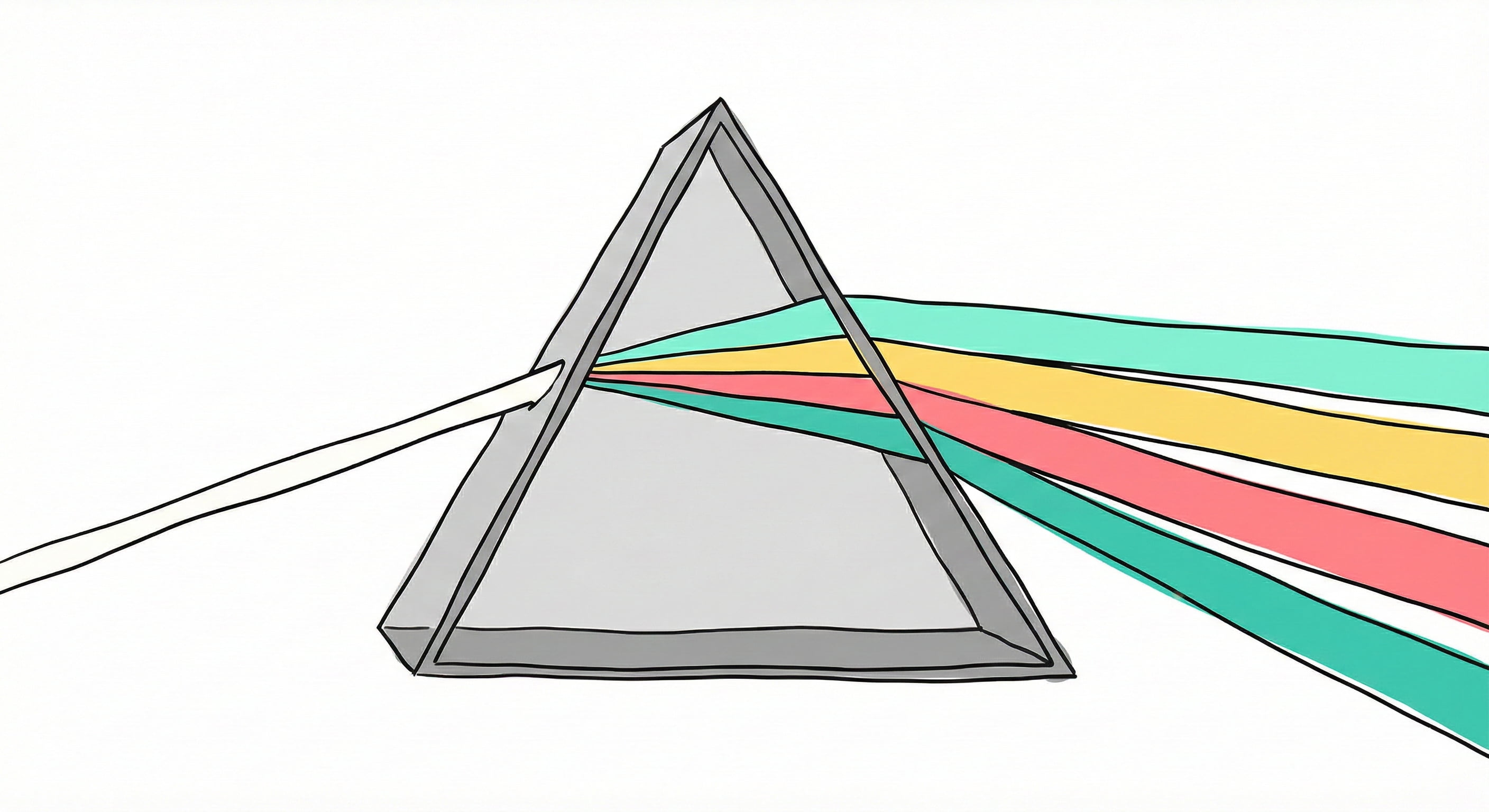
Light channelled through a prism

The Blade and the Handle

The Frame Problem is not a bug to be patched in the next software update. It is a fundamental law of information. It proves that "common sense"—the ability to know what matters—is not something you can add with more computing power. It is something that requires a perspective outside the system.

That perspective is yours.

At Ajar, we do not just "plug in" AI. We restructure the flow of data so that the machine stays focused on what matters.

The AI is the blade—it provides the raw computational power and pattern recognition.

The Human is the handle—you provide the frame. The strategic context. The reality check that keeps the tool safe and effective.

By defining the limits, we turn a potentially paralysing mathematical problem into a safe, sustainable, and powerful advantage.

We give the machine the math. We give you the handle.

Hands gripping a knife handle with confidence
"The question is not whether AI will take over. The question is: who is holding the handle?"

Continue Exploring

Schedule a Consultation